


Engineering Insights
Protolis shares our hard-earned expertise in manufacturing, product development, and industry trends.
Latest Insight

Assembly and plastic enclosures waterproofing: Why is it essential to test it from the prototyping phase?
The waterproofing of consumer electronics, measuring instruments, medical devices, and enclosures involves effective protection not only against water but also against dust and sand, and, in some cases, against varying degrees of immersion. Moreover, waterproofing is not simply an optional […]
Continue readingAll insights

Assembly and plastic enclosures waterproofing: Why is it essential to test it from the prototyping phase?
The waterproofing of consumer electronics, measuring instruments, medical devices, and enclosures involves effective protection not…
Continue reading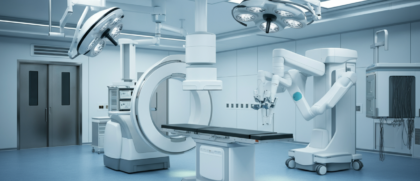
Thermoplastics for medical devices: materials, technologies, and best practices
Medical plastics encompass a wide and complex field—from injection materials and single-use consumables to hospital…
Continue reading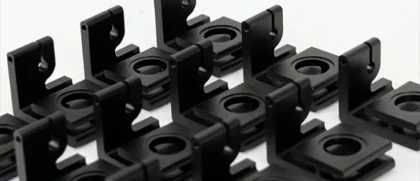
What is Bridge Production?
Bridge production — also known as a transition phase or pilot run — is an…
Continue reading
Overview of Medical Device Regulations [Guide]
Bringing a medical device to market involves far more than engineering innovation—it requires strict compliance…
Continue reading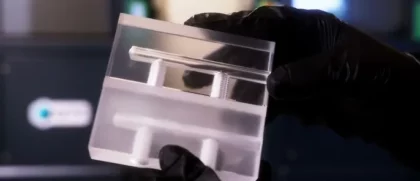
Four main methods for polishing acrylic (PMMA)
Acrylic, also known as polymethyl methacrylate (PMMA), is prized for its crystal-clear transparency, impact resistance,…
Continue reading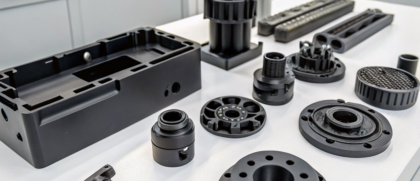
Why use CNC machining for rapid prototyping?
Introduction Rapid prototyping is a crucial step in any industrial project. It enables concept validation,…
Continue reading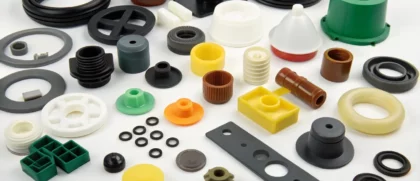
Compression Molding vs. Injection Molding: Which technology to choose for your flexible parts?
When selecting the best technology for producing flexible plastic or rubber parts, you will often…
Continue reading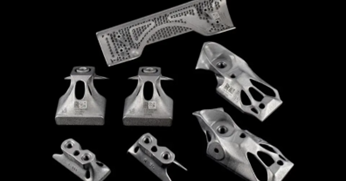
Evolving roles of 3D printing and injection molding in modern manufacturing
Introduction 3D printing and injection molding are the- two key technologies shaping how things get…
Continue reading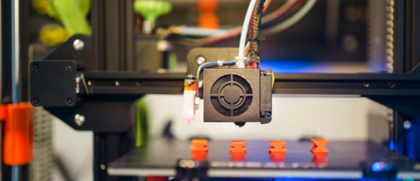
Injection molding vs 3D printing: which is better for prototyping and end-use parts?
Introduction When it comes to manufacturing, two major players in the game are injection molding…
Continue reading
Assembly and plastic enclosures waterproofing: Why is it essential to test it from the prototyping phase?
The waterproofing of consumer electronics, measuring instruments, medical devices, and enclosures involves effective protection not…
Continue reading
Thermoplastics for medical devices: materials, technologies, and best practices
Medical plastics encompass a wide and complex field—from injection materials and single-use consumables to hospital…
Continue reading
What is Bridge Production?
Bridge production — also known as a transition phase or pilot run — is an…
Continue reading
Overview of Medical Device Regulations [Guide]
Bringing a medical device to market involves far more than engineering innovation—it requires strict compliance…
Continue reading
Four main methods for polishing acrylic (PMMA)
Acrylic, also known as polymethyl methacrylate (PMMA), is prized for its crystal-clear transparency, impact resistance,…
Continue reading
Why use CNC machining for rapid prototyping?
Introduction Rapid prototyping is a crucial step in any industrial project. It enables concept validation,…
Continue reading
Compression Molding vs. Injection Molding: Which technology to choose for your flexible parts?
When selecting the best technology for producing flexible plastic or rubber parts, you will often…
Continue reading