


Vacuum casting
Protolis offers high-quality urethane vacuum casting services for cost-effective parts production. With our strong expertise in silicone vacuum casting, we ensure precision and quality throughout the manufacturing process.
- 1 to 200+ parts
- Quotation in 24 hours
- Worldwide delivery available
- Fast delivery — as quick as 7 days
- 10+ finishing options
What is vacuum casting?
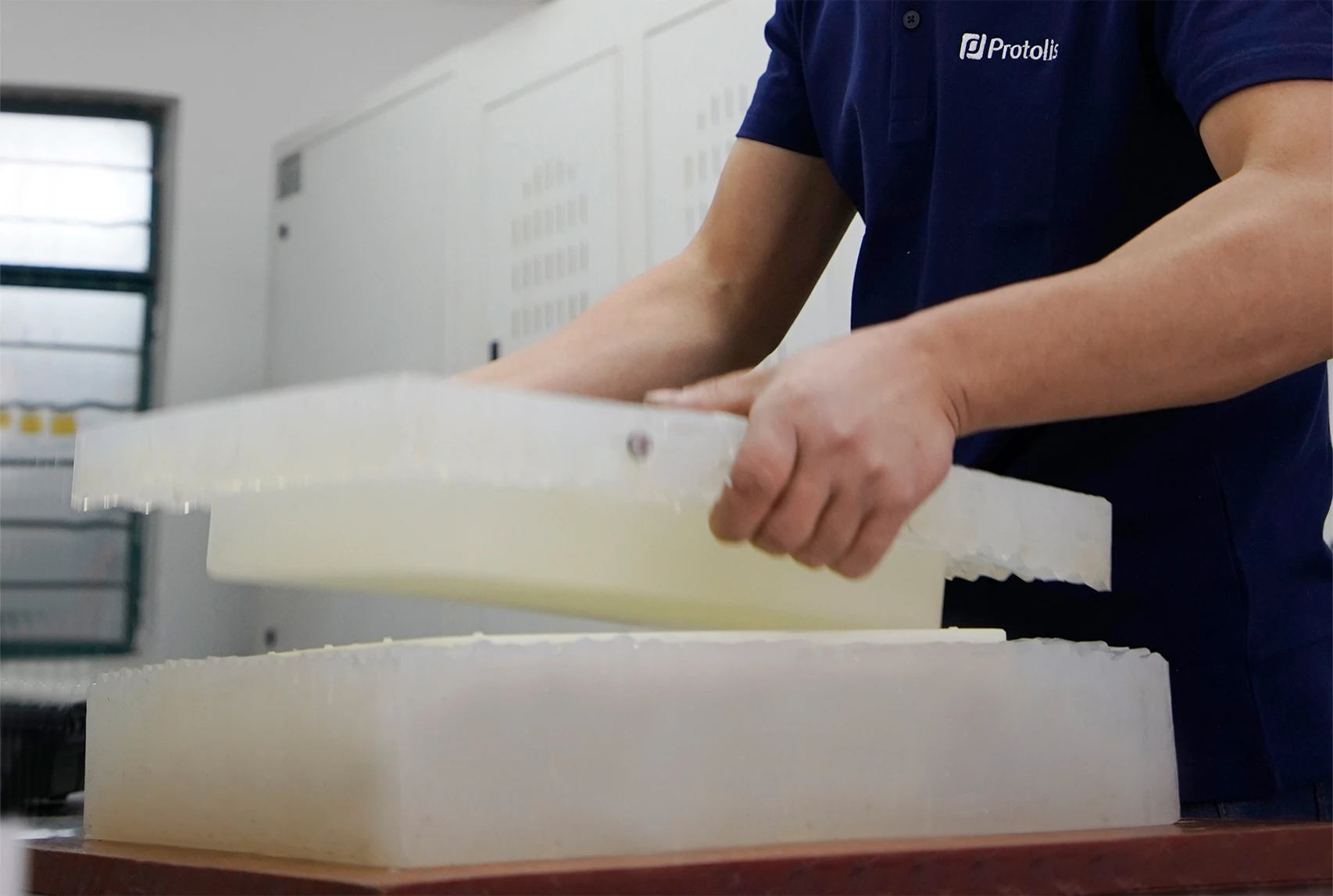
Vacuum casting (urethane casting) is a fast and cost-effective process for producing high-quality rigid, flexible and rubber like polyurethane parts in short-run production. A 3D-printed master pattern is used to create a silicone mold, which is filled and cured under vacuum to deliver accurate parts with excellent surface finish.
This method is ideal for manufacturing projects that require production-grade quality, colour matching, clear components, or complex geometries without the cost and lead time of injection molds. Vacuum casting works with a wide range of polyurethane resins and is perfect for functional prototypes, aesthetic enclosures, and low-volume insert molding.
By bridging the gap between rapid prototyping and injection molding, vacuum casting provides an efficient balance of quality, cost, and speed for small-series production.
What is vacuum casting?
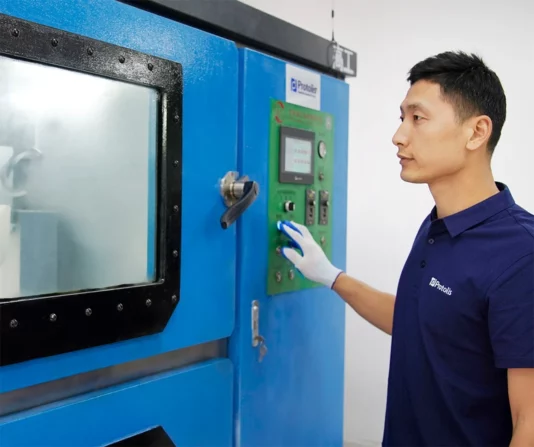
Our additional polyurethane vacuum casting capabilities
Protolis goes beyond basic manufacturing processes and offers a variety of additional services.

Reaction injection molding (RIM)
RIM can produce a larger number of higher quality parts by injecting polyurethane resins into a hard mould at low pressure.
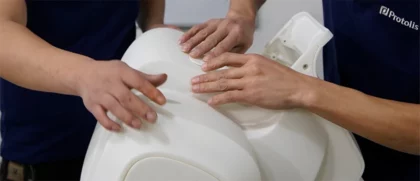
Assembling
In addition to manufacturing individual casted copies, Protolis provides assembling services to integrate multiple components into a finished product.
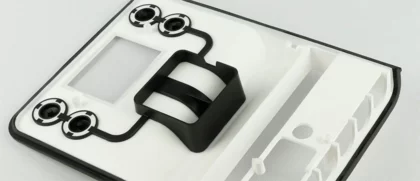
Overmolding
Our molding capabilities allow the incorporation of metal inserts or a second material, resulting in integrated parts with the combined benefits.
Our vacuum casting capabilities
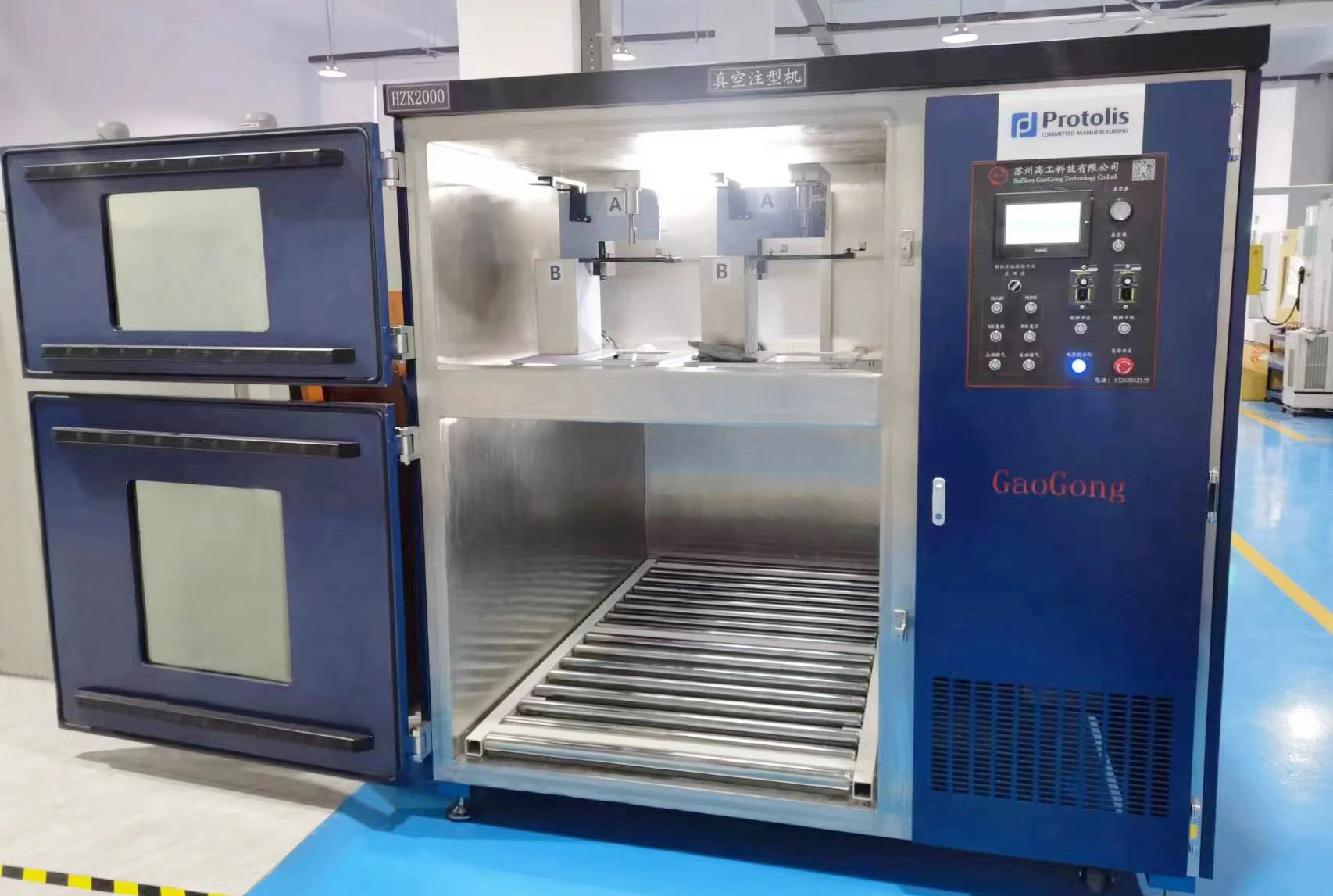
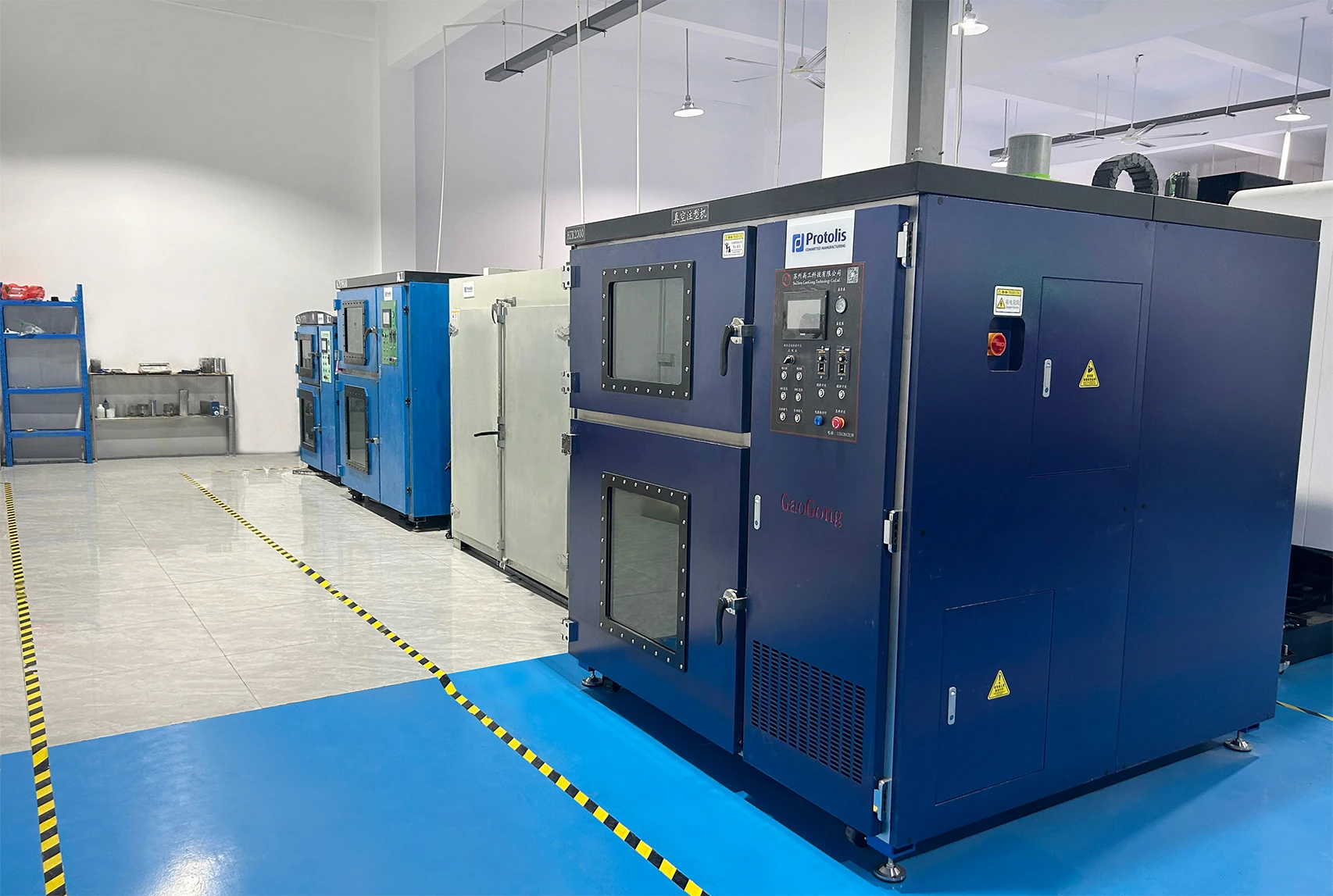
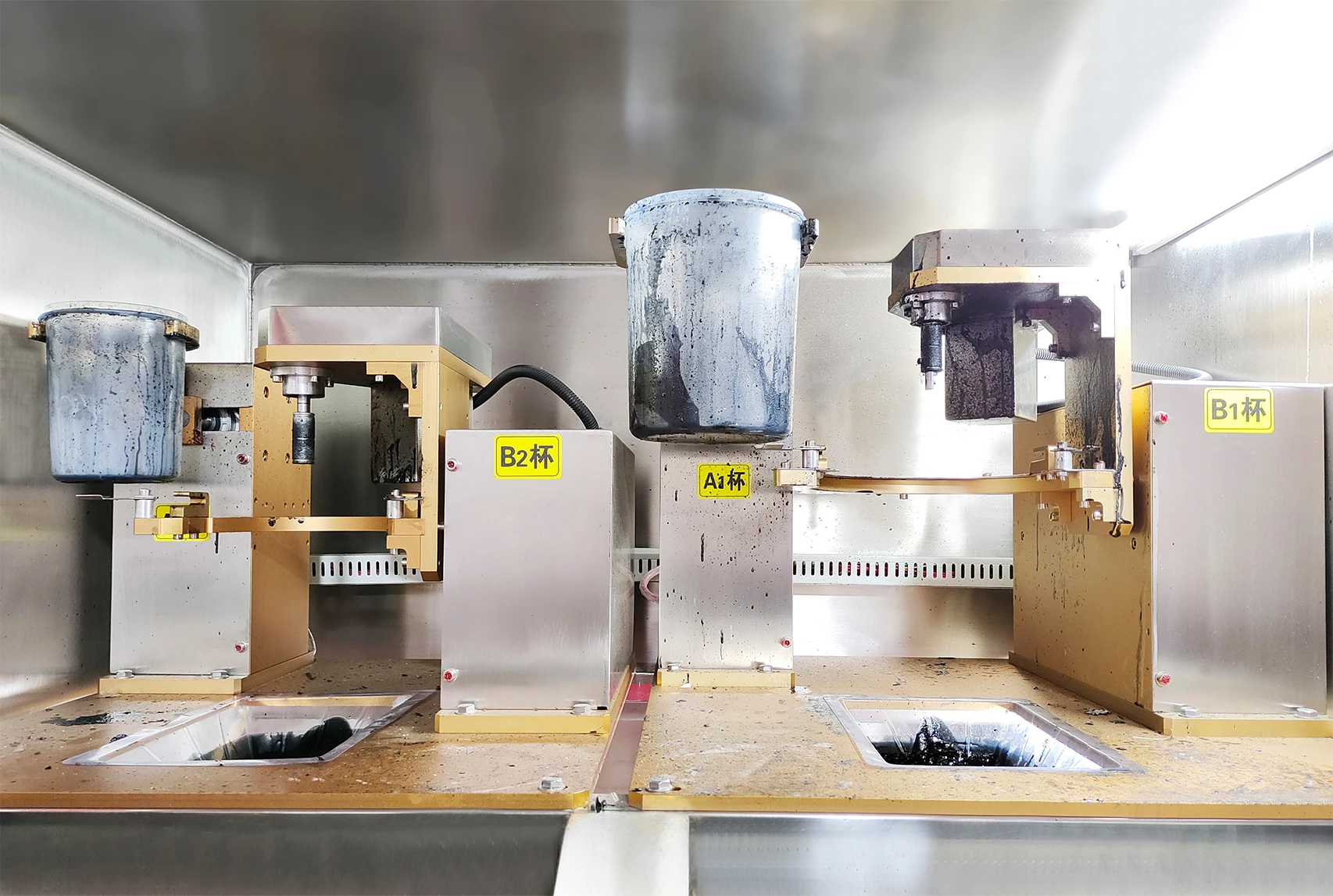
With our team of casting engineers and in-house casting shop—comprising two vacuum machines and two ovens—we provide comprehensive casting services, including finishing, to deliver high-quality results for your projects.
We offer a diverse range of options to meet your specific project requirements, including material selection, and post-processing finishes. Our experts will work closely with you to ensure the perfect fit for your project needs.
Our vacuum casting capabilities
Your project in 6 steps
Get your plastic prototypes or production parts in no time. A flexible organization providing a personalized response to your need without any setback.

Your quote
Upload files and specifications


DFM
Design optimizations

Tooling
Sampling and adjustments

Production
Close follow-up

Quality control
Dimensional report, pictures, and videos

Delivery
Packing, door-to-door tracking
Applications
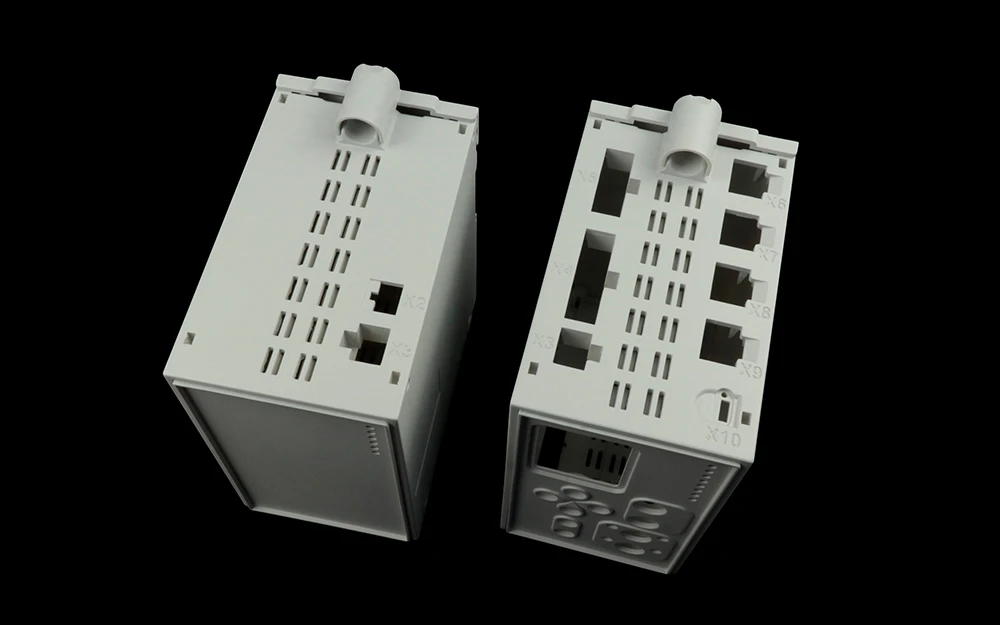
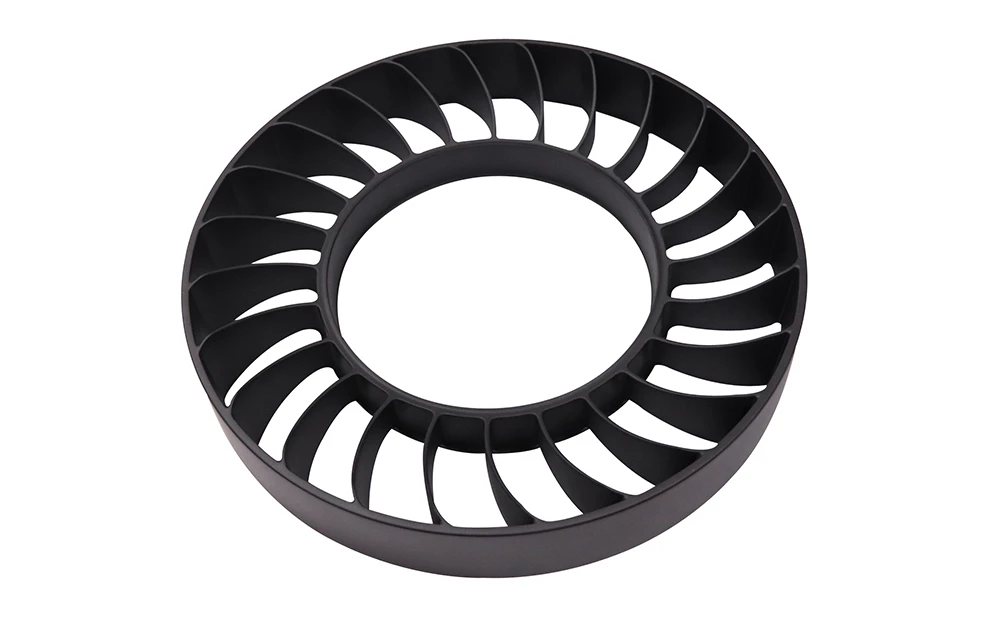
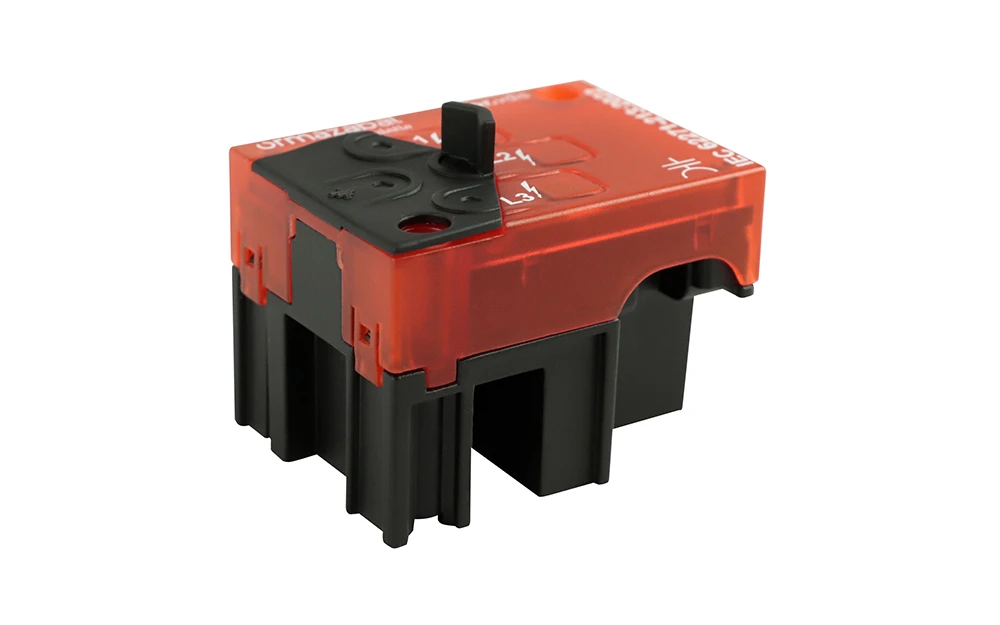
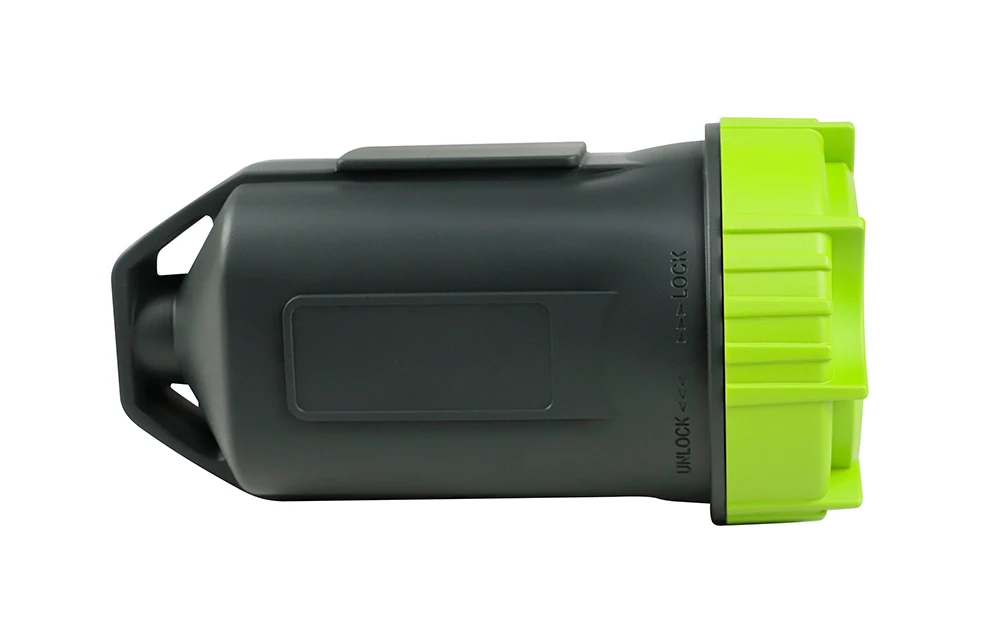
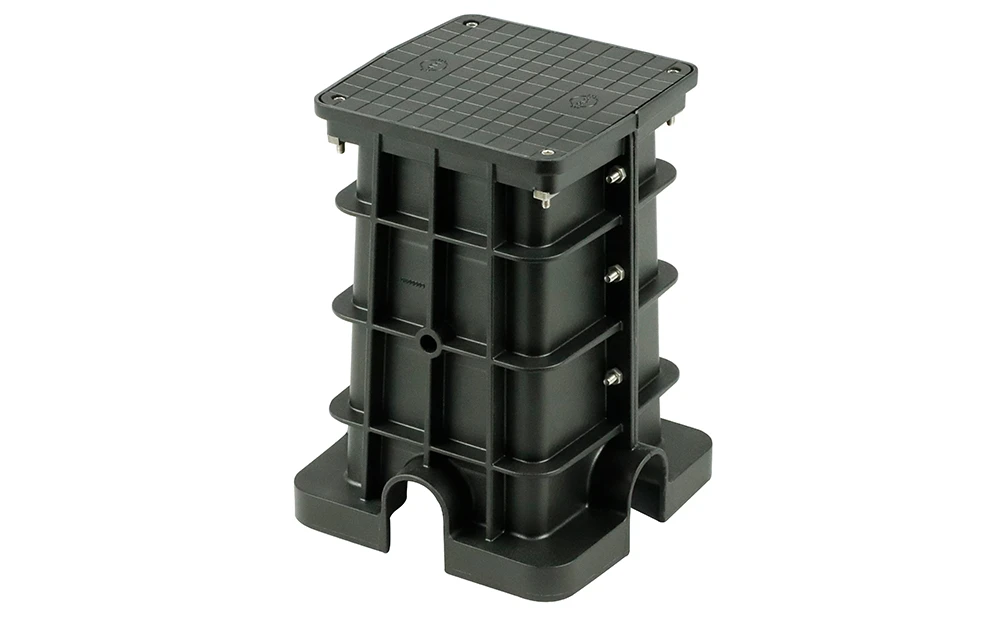
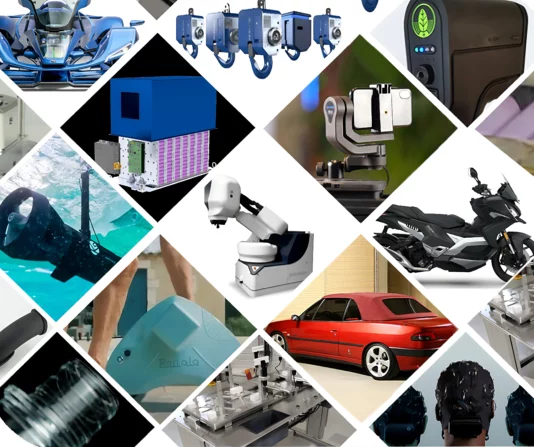
Vacuum casting parts are extensively used for rapid prototyping and short-run manufacturing of plastic parts. These parts serve multiple purposes, including the creation of engineering models, market testing, concept proofs, and short-run production. They frequently act as a transitional bridge to mass series production.
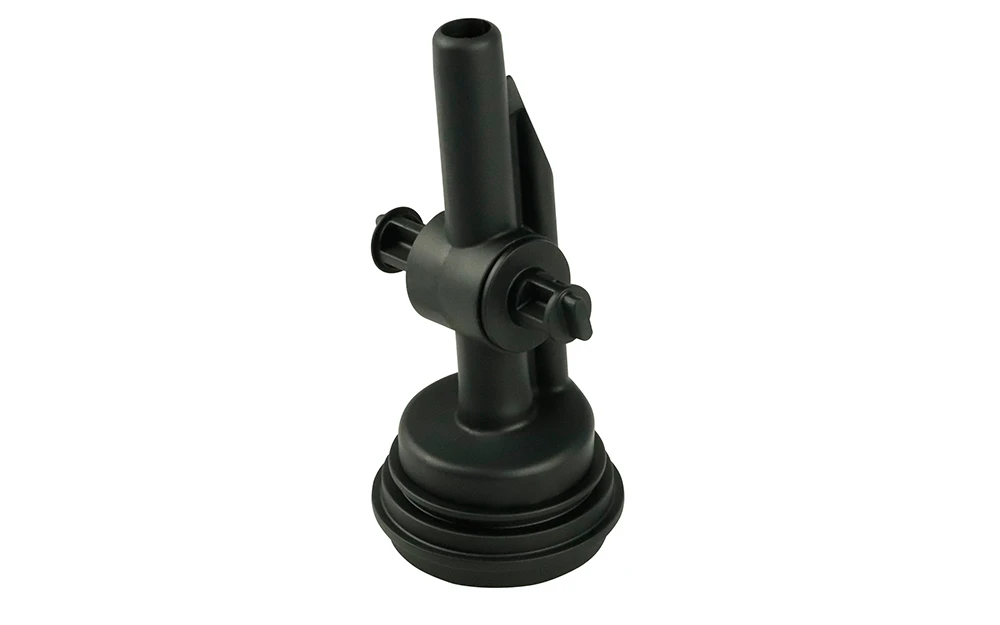
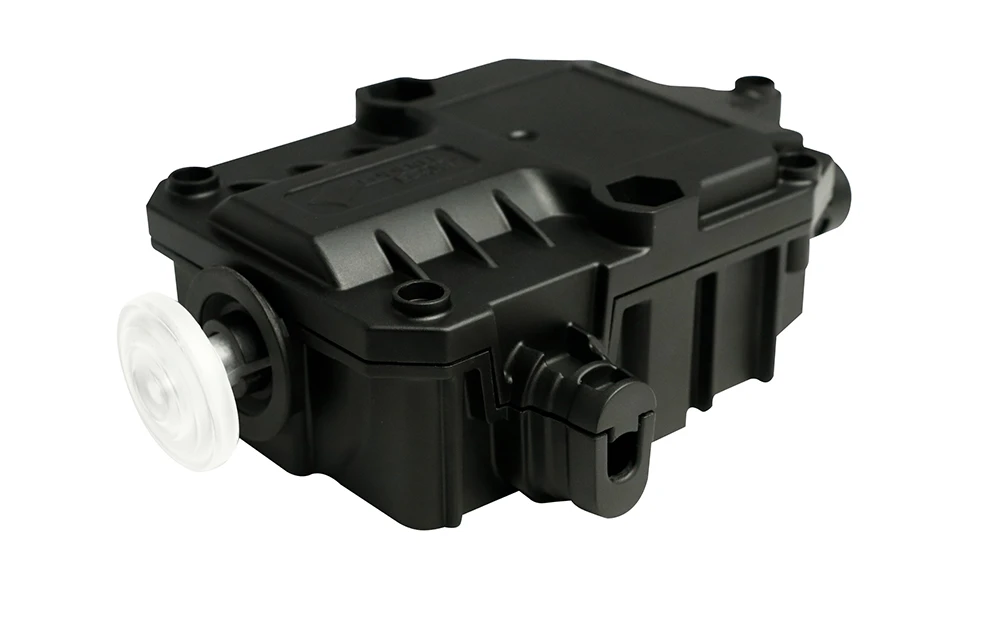

Real-World Vacuum Casting Experience
Protolis has delivered numerous vacuum casting prototypes and low-volume production parts across medical, industrial, and electronic applications. Our Case Studies highlight how we use vacuum casting to solve real engineering challenges—from material selection and surface finishing to functional validation and fast lead times.
Explore these projects to gain practical insights and best practices you can apply to your own vacuum casting project.
Real-World Vacuum Casting Experience
Vacuum casting materials
We provide an extensive selection of urethane resins sourced from renowned international material suppliers like Sika and Heicast. Our range of resins offers the capability to simulate both rigid and soft plastic materials while meeting specific requirements such as high impact resistance or flame retardant properties.
Below is a non-exhaustive list of commonly used materials for vacuum casting.
Vacuum casting finishes
Explore our wide range of finishing options designed to elevate the look and feel of your parts. With these finishes available in-house, Protolis can deliver the exact aesthetic and functional outcome you need, bringing your prototypes to life.

The pigmentation process makes it possible to produce pieces naturally colored in the mass of certain plastics. It is possible to choose the desired RAL or Pantone, with color pigments mixed with the material. This is applicable for rigid or flexible parts.

This type of finishing is a high-level polishing, also known as mirror polishing, that gives the part a smooth, reflective, and aesthetically pleasing appearance.

There are several degrees of transparency depending on the technologies and materials used. The opacity can also be manually adjusted by polishing, sanding, or pigmentation.

Whether by applying a surface treatment or by pigmentation, matching the colors of your prototypes and parts is important for meeting your specifications and the visual quality of the final product.

A paint finish that enhances the surface condition both functionally and aesthetically. It is possible to achieve different effects of appearance: satin, matte, gloss, or semi-gloss.

Chrome plating is a technique of applying a thin layer of chromium onto a substrate through galvanic or vacuum plating. This additional layer not only improves the aesthetic but prevents corrosion and wear.
General vacuum casting characteristics
Why Choose Protolis for Vacuum Casting?
- Fast lead times – as fast as 7 days+
- Cost-effective for prototypes and small-series production
- 24-hour quotation with DFM support
- High-quality surface finish
- ISO 9001–based quality control for consistent
Why Choose Protolis for Vacuum Casting?

Vacuum casting FAQs
How cost-effective is vacuum casting for rapid prototyping and low-volume manufacturing?
Vacuum casting, also known as urethane casting, is an optimal choice for small-scale plastic production and prototyping, primarily due to its lower initial investment. Unlike injection molding, urethane casting uses cost-effective silicone molds, which are quicker to produce. This method is ideal for small production runs and prototyping, where the substantial upfront cost of injection molding tooling is often not warranted. In addition, the flexibility of silicone molds allows for easy and inexpensive design modifications, which is valuable during prototyping phases with evolving designs.
The process also offers short lead times, facilitating rapid prototyping and tight development schedules. With the ability to produce parts with high-quality finishes and dimensional accuracy comparable to injection molding, vacuum casting is a versatile and cost-effective solution for functional testing and even certain end-use applications. Additionally, a range of available resins allows for the simulation of various thermoplastic properties, making this method more adaptable for prototyping purposes.
How durable are the molds used in vacuum casting?
The durability of molds in vacuum casting, typically made from silicone, is influenced by various factors. Generally, a silicone mold can produce approximately 15 to 20 parts before exhibiting signs of degradation, although this number can vary based on factors such as part complexity, resin type, and molding conditions. More intricate designs with undercuts or fine details may contribute to quicker mold wear. The choice of casting material is crucial, as some resins are more abrasive or corrosive, accelerating mold degradation. Molding conditions, including high temperatures, pressures, and the use of aggressive release agents, can also impact mold life. It’s essential to note that the silicone material hardens after around two months, affecting the mold’s usability beyond this duration.
How accurate is vacuum casting?
Vacuum casting is known for its accuracy in producing parts with fine details and excellent surface finishes. The precision achieved is generally suitable for a wide range of applications. However, for projects requiring exceptionally tight tolerances, it is advisable to get in touch with us. A comprehensive evaluation of the process’s capabilities concerning the specific needs of the project will ensure accurate and optimal results.
Related resources
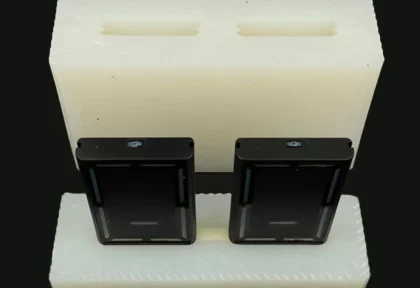
Vacuum Casting Guide

Thermoplastics for medical devices: materials, technologies, and best practices
